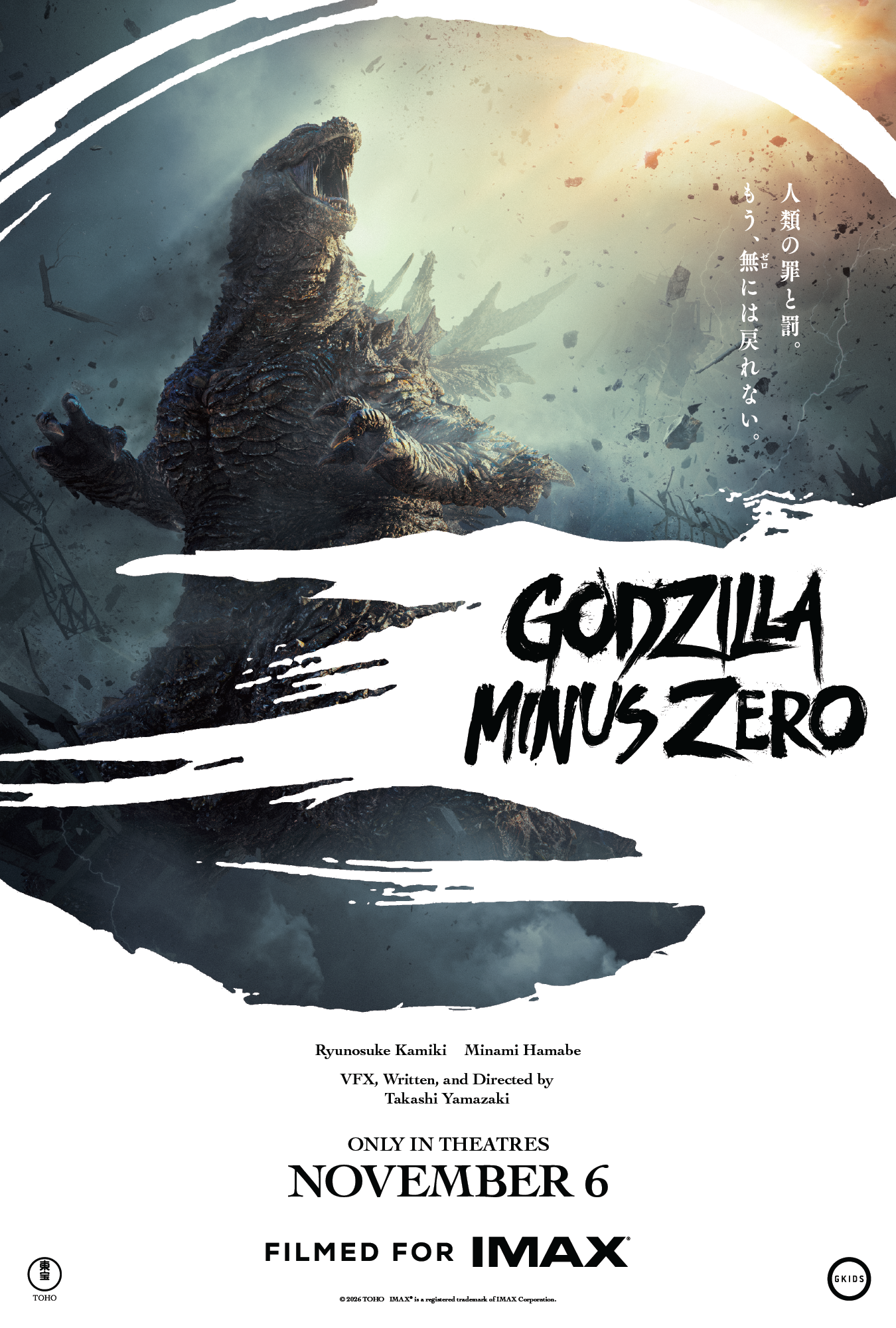
'Godzilla Minus Zero' Continues to Nail the Correct Tone
This guy gets it. Godzilla isn’t just about Kaiju battles. In fact, the first film had none. Godzilla began as a serious allegory for the results of nuclear fallout. Later, when it gained popularity, it regressed further and further into light territory, losing track of what the movie meant all along. Takashi Yamazaki’s Godzilla Minus One finally got the tone that had been missing for decades. Godzilla Minus Zero continues with that tone while also expanding the rebooted Godzilla-verse. It shouldn’t work. Yet with enough delicacy, it miraculously does.
What makes a monster movie work isn’t the monster. It’s the characters. 99% of directors get it wrong, and audiences find the human characters expendable, leaving them bored for most of the movie. When Americans do Godzilla, they get it wrong. The Japanese did too, turning something serious into a cartoon. Takashi Yamazaki gets back to Godzilla's core. Horror. Like the 1954 Gojira, Yamazaki focuses on the story's survival aspect. It’s about how ordinary people, from scientists to pilots, fight a terrible force. Yet, in their efforts to rescue humanity, they also continue the cycle of mass destruction.
After being ravaged by Oppenheimer’s bomb and Godzilla, Japan is barely picking up the pieces of a society left in terror that could be our foreseeable future. The flashbacks from Hiroshima left in Kanji Murakami’s (Min Tanaka) memory are some of the most devastating images of a nuclear fallout I’ve seen in years. People are wandering the streets. Some with their clothing burned. Murakami witnesses the corpse of his loved one engulfed in flames. His grief manifests as anger, which turns into something terrible. Luckily, this movie depicts a society that doesn’t give entirely in to their grief. Even when they’re delivering the final blow to their target, they do so with sadness.
The Japanese understand the weight of death. Nobody should experience what they did. Imagine that lead-up, with constant monster attacks. As outlandish as the concept of a Kaiju battle is, Takashi Yamazaki grounds it with realism. The movie continues the narrative of the pilot who defeated the beast from the last movie. Now married to Noriko Shikishima (Minami Hamabe) and raising their adopted child, Akiko (Sae Nagatani), the family is rebuilding their lives. Sadly, they may never find peace. A new monster has arrived. A three-headed serpent named Ghidorah. Man-made weapons are useless against him, and his limbs can regenerate. Only Godzilla can kill him.
The film makes you understand why a Kaiju battle is necessary without losing track of the overall message. Nukes create an endless cycle of destruction until there’s nothing left. But what can we do when we’ve opened Pandora's box? Everyone tries everything to take out Ghidorah. They even reach out to the Americans for aid, who might be deceiving them. With no options left, the cast realizes they’re stuck with Godzilla to protect them from other monsters. Instead of doing what many big-budget Hollywood films have done recently with Kong vs. Godzilla, the narrative stays focused on human lives. The devastation that these battles bring. This isn’t an action movie. It’s a tragedy.
The film handles themes of guilt and violence that most pictures of its type don’t. It’s a condemnation of violence instead of a silly ad for it. Takashi Yamazaki mostly frames the story through the human characters’ perspective, showing how helpless they are against such power. Filled with remorse, our heroes struggle with vengeance and strive for pacifism, yet they know they can’t stop the carnage, so they must partake in it. Despite all of its negative themes, there’s also a message of courage prevailing.
To take on new threats, our heroes must confront their trauma head-on. To keep others safe, we must make sacrifices. With a rousing, haunting score by Naoki Satô, the big emotional moments for our protagonists pay off. Their courage is emblematic of Japan’s strength, being able to move on from the Hiroshima bomb. People fail; they make mistakes. But they have the stamina to prevail. Another prevailing aspect of the movie is the visual effects.
Like the Oscar-winning movie before it, Godzilla Minus Zero does a phenomenal job of bringing its creatures to life. The details on Godzilla are so rich, you feel like you could touch him. Granted, some effects look cartoony. Especially the shots of Kōichi Shikishima on his motorcycle, which are SyFyChannel-level green-screen. Still, it’s the best these beasts have ever looked. Yet they mean nothing without the human element.
If you’re hoping this movie’s lengthy runtime is dedicated to Kaiju battles and disaster porn, you may be disappointed. Godzilla Minus Zero is a movie about the human toll. The toll it takes to live in a war-torn nation. How it traumatizes its kids and leaves its scientists scarred. It’s a movie about people. Interesting people. Not bland badasses or hot scientists. This is a heavy Godzilla film that kids might not like, but adults will. Not all of the drama lands. Some of the movie’s dialogue veers into B-movie territory. One key scene especially elicited a giggle instead of a gasp. Also, there’s a confounding decision everyone makes during the big battle that makes no sense. Yet these are nitpicks in otherwise one of the best Godzilla movies ever made.