'Anemone' Daniel-A Returning Day-Lewis Lifts a Mixed Narrative
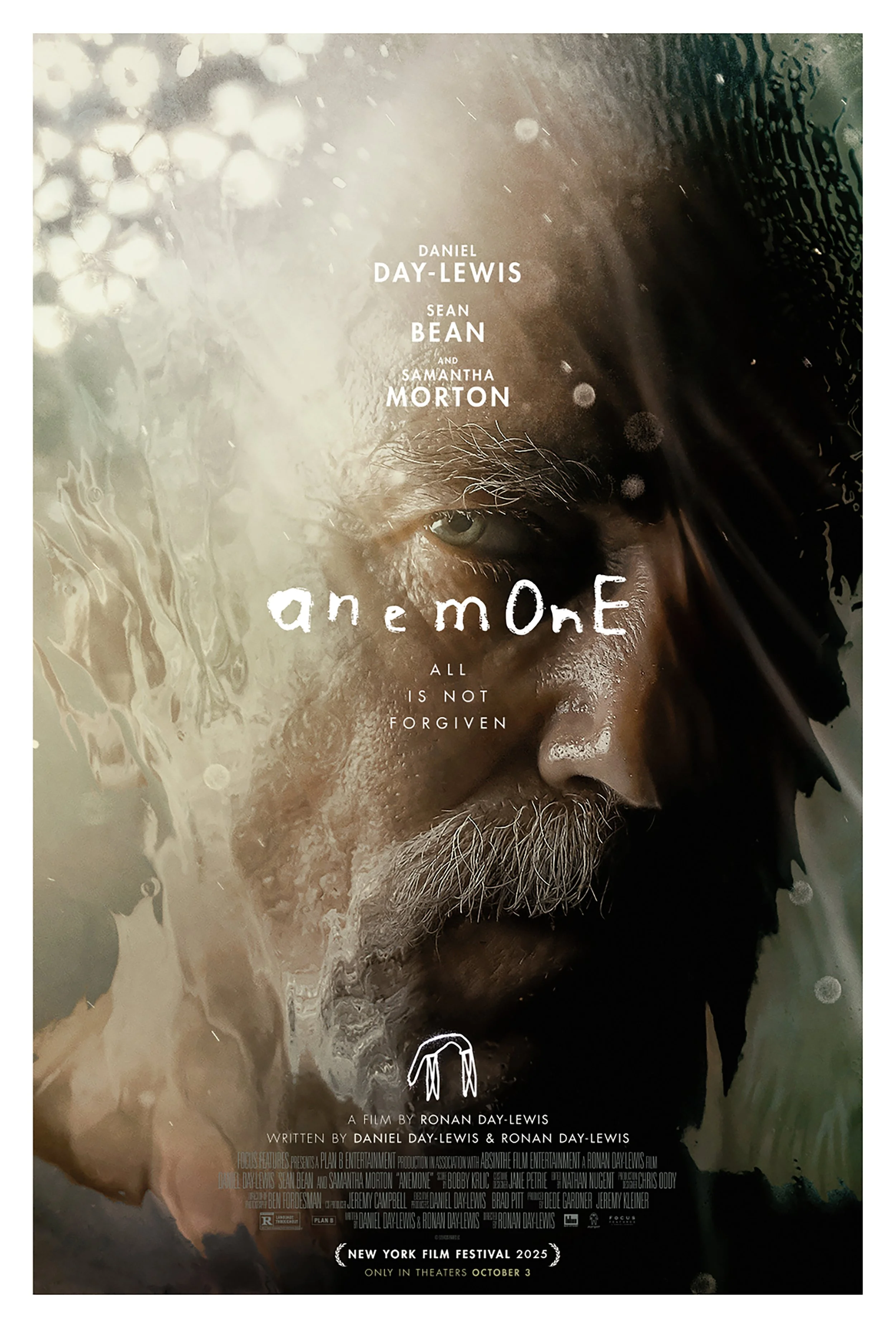
How Irish do you want your film, Mr. Ronan Day-Lewis? Yes. But my dad will be coming out of retirement for it. So it'll be different! Is Anemone Daniel Day-Lewis' grand return from acting? It might be more of a favor than an official return, even if DDL says otherwise. Lewis proves once more why he's the GOAT of acting, although his son has a long way to go when it comes to directing. The pretentiously titled Anemone (it's a flower, by the way) is a period piece, so of course, Daniel Day-Lewis would be in it. The movie itself is imbalanced, overly long, repetitive, and comes across like another Oscar reel for the director's old man. Still, there's some potential in the material.
Anemone attempts to tackle a range of heavy, complicated subjects with a degree of serenity that's as subtle as a punch to the face from a drunk at a pub. The movie attempts to conceal its thinly veiled screenplay with extremely long sequences of characters walking through haunting shots of the cold, harsh Northern Ireland woods. There isn't much to distinguish Anemone from many other slow cinema films that use their methodical pace with more purpose. Perhaps Ronan was inspired by Andrei Tarkovsky's work, whose forte was long, moving scenes where nothing seems to happen. What is happening in scenes like the highway drive in Solaris is meant to resemble the slowness of travel, whether it be between Earth and space, and the weight that loss has on us, where time seems to stand still. RDL is striving for a theme of time moving forward, yet life remaining unchanged. Except that Tarkovsky's mastery of the elongating length has more layers and intentionality, opposed to the single-note slow burn that RDL is incorporating, making the audience feel like they're watching paint dry.
The story revolves around two brothers who haven't seen each other in decades. Now in their 70s (or 60s), there's not much time left to rectify the sins of one's past while trying to form a better future for their family. In an attempt to save his troubled son Brian (Samuel Bottomley), Jem (Sean Bean) ventures out into the woods to find his hermit brother. Jem's wife, Nessa (Samantha Morton), is terrified of letting Jem see his older brother. Why? We don't know. That sense of mysterious dread bloats itself in a movie that could have been stretched into a nice, expertly crafted short story. Sadly, neither audiences nor hiring distributors care about shorts. Only features sell.
Despite some of the picture's failed intentions, much of it also works. It's the ye old tale of silence resembling pain. Aside from long Oscar-worthy monologues from Daniel Day-Lewis, a large chunk of the movie is of people saying nothing. After so many years, what can Jem and Ray (Daniel Day-Lewis) say to each other that hasn't already been discussed? The bitterness the siblings have towards one another might never be fixed. Oftentimes, time doesn't heal; it just allows the salt on the wound to burn more.
For those who've endured irredeemable, painful elements of the past that have ruined their lives, know how every day just feels like another long slog towards the sweet relief of eternal rest. The only good part of the day is sleeping. When waking up, all those feelings of self-loathing and regret resurface. Initially, we believe that Ray is a contemptuous person with hardly any redeemable qualities. What he has done, however, was more a part of a situation involving a civil conflict over religion than it was a demonstrable act. Ray's haunted by his sins. When he tried to show compassion, he was punished for it.
Ray's trauma causes him to renounce religion while his brother still embraces it. Cudos to Day-Lewis for once again providing a phenomenal performance, carrying the movie on his shoulders. Anemone examines the destruction violence leaves for those who've lived a violent life, causing them to become shells of their former selves. Anemone doesn't end on the usual inspirational note. It presents a pessimistic picture, yet ultimately seeks a touch of optimism amidst considerable uncertainty.
Where Ronan Day-Lewis could have trimmed his picture's meandering to focus on a potentially engrossing reunion, it cuts itself short. There are bits of effective storytelling wrapped in a picture that need more time to establish backstory, rather than being shrouded in unnecessary, prolonged mystery. Anemone is a decent directorial debut from a filmmaker who has the potential to improve their work with a little more experience in the editing room and script department. As a Daniel Day-Lewis fan, it's a thrill to see him return to the silver screen. As a cinephile, Anemone is merely okay. What it's trying to say about the Troubles conflict is too ambitious for Ronan Day-Lewis to handle. Thankfully, it still pulls out a familiar, mostly effective narrative about the pain of the fighting Irish.