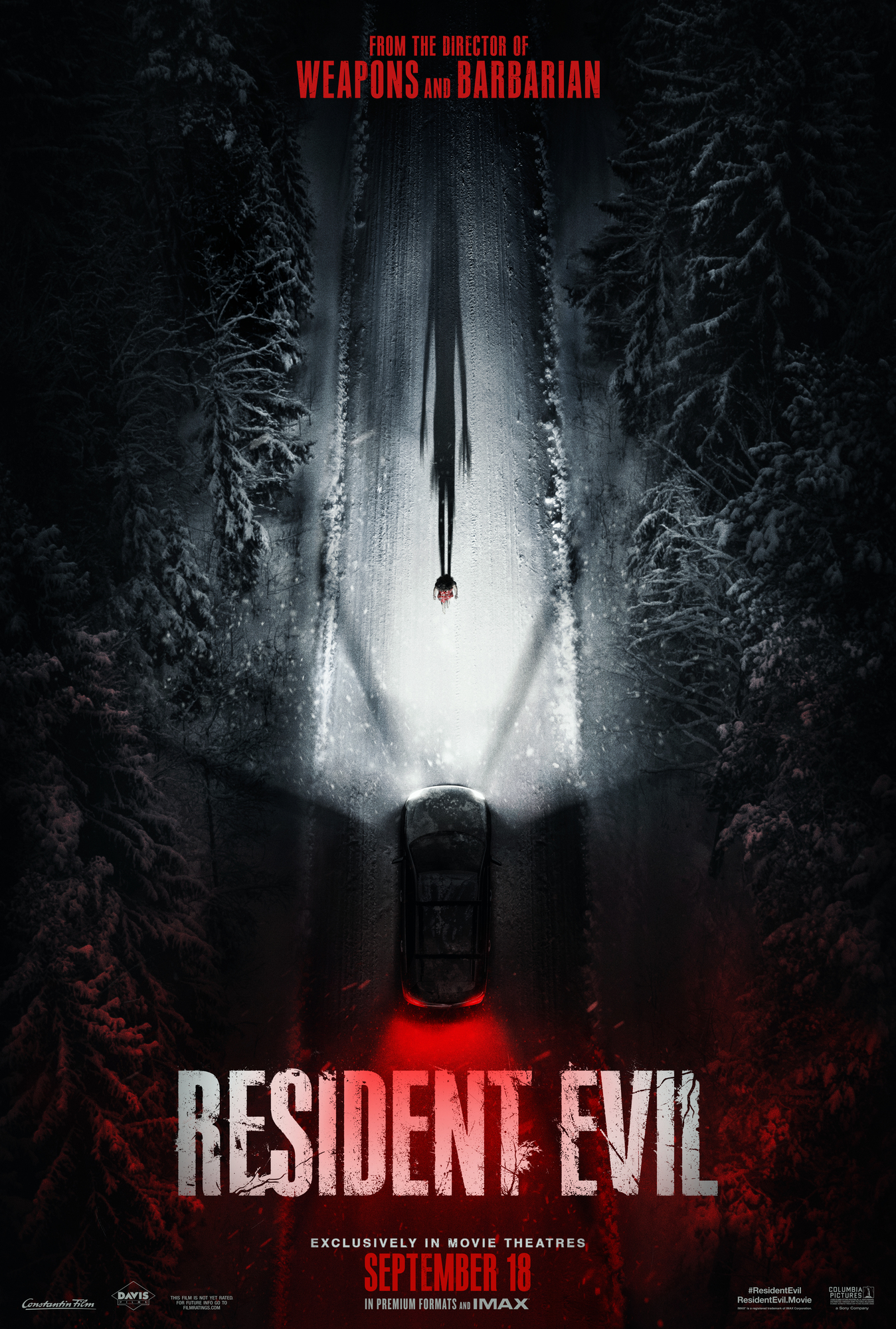
'Resident Evil' is More Than Just a Good Adaptation
The video game movie curse has been broken, as long as you don’t count TV. Resident Evil isn't just jingling keys like Super Mario Galaxy or countless adaptations of other games. This is a legitimately good horror movie that even non-fans of the game can appreciate. Loaded with non-stop chase sequences, great humor, and a keen sense of suspense, Resident Evil delivers something gamers have been waiting for, yet never vocalize. Originality. Ignore all the complaining entitled fanboys who stomp the ground because the zombies run, or the game is set in the current day, or it’s snowing in Raccoon City. Zach Cregger gives the players something more than just spotting the reference. He provides a sense of what it’s like to play the games.
From the first shot of the movie, the camera places itself behind the protagonist like it’s a third-person view from behind the character. Our hero is no hero. No matter how many times he tries to be. From Barbarian to Weapons, Cregger plays against conventions by subverting expectations. Unlike Rian Johnson, who uses subversion to antagonize fans, Cregger uses it to show how real people would react in desperate situations. They don't become Sarah Connor overnight. Instead, they keep failing when they should succeed, kind of like humanity. There’s an overarching theme of failure that plays throughout the movie. It’s asking: how would humanity respond to a crisis? Looking back at recent human history, we know the answer isn't good. When you get to the story's exposition dump, the film draws clear connections between fiction and reality. COVID is the film's main euphemism. Without giving anything away, the way the virus spreads is eerie. It might not be like the games, but who cares?
We don’t need another movie that slavishly follows the game's script. Netflix already tried that with tremendous failure. In the opposite direction, Paul W.S. Anderson goes too far, and the movie feels nothing like the games, emphasizing horror over action. Many would argue that the games themselves shifted to an action angle at one point. Excluding Resident Evil V, the game always contained its horror element, unlike the Paul Anderson films, which were just a series of lame action pieces with no character attached. Cregger’s film is more of a character piece, but not in the melodramatic sense.
Cregger puts an average person in the middle of the apocalypse, trying to survive it. Ya know, like survival horror. Bryan Hodukavich (Austin Abrams) is a medical delivery boy. He transplants organs from one hospital to the next. Given Bryan one last late-night delivery in a bag that’s the health kit from the game, Bryan accepts the order for the extra pay. It’s an incredibly clever way of implementing something from the game that’s more than a simple reference. The bag becomes the film's MacGuffin, making it important. The delivery goes to hell, where, in the middle of the zombie apocalypse, things go from bad to catastrophe in minutes. We quickly get the idea of who Bryan is through Austin Abrams' natural ability to project terror. Within minutes, we learn who he is through his vulnerability. Abrams isn’t Chris Evans or Arnold Schwarzenegger. He’s a lanky kid who’s just trying to get by. He’s having problems with his girlfriend while working a crappy job.
By making the protagonist an average Joe, Cregger creates the terror a player feels while holding the controller. If you’ve seen every movie, you assume the protagonist will wind up okay in the end. By the grit of his teeth and some handy weaponry, Bryan narrowly escapes death. But for how long? Cregger likes to show characters fail for laughs. Unlike Luke throwing the lightsaber to a record scratch, the humor works. How would you react if you had to shoot a lock for the first time? Would you really take the stairs for several flights instead of an elevator?
The film also captures the game’s sense of pacing. It goes from slow and dreadful to fast and intense. It’s like switching from Ashley to Leon in Requiem. Yet it’s all about survival. Bryan is no Leon Kennedy. Nor is he setup to be. At one point, we think we've got a badass character, but Cregger hilariously pulls the rug out from under us. More impressively, when Paul Walter Hauser exposition-dumps in the film, it’s one of the best expository dialogue scenes I’ve seen in years. Do you have any idea how hard it is to do a good backstory? There’s a reason Austin Powers named one of their characters Basil Exposition.
The cinematography is impressive too. Resident Evil has a sharp color grade where there’s harshness in its tones. The lighting is minimal, giving you a sense that you’re lost in the dark. Not a shred of daylight is shown in the movie. This is how more movies should be shot. Like or hate Zack Snyder, his movies have a distinct, contrasty look compared to most modern, flatly graded slop.
With a script that goes in wildly unexpected places, great atmosphere, and brilliant pacing, other directors should take note. Horror and video game. Resident Evil is for everyone who’s looking for a fun night out. But more importantly, if you can see between the pixels, Cregger makes a clever little commentary on how we fail to work together when faced with disaster. Yet it’s not nihilistic. But more of an alarm bell.

